
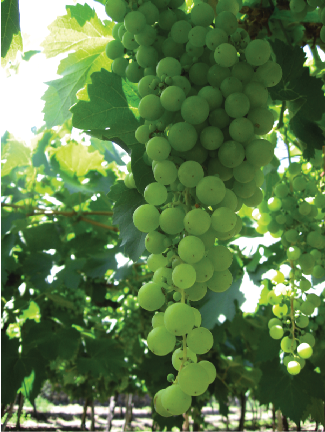
I often use my Red Wine book to discover new red wines to write about. Today, I decided to look up rare white wines and came upon Torrontés, a grape that originated in Argentina. Let’s take a look at this aromatic white wine.

Torrontés
About Torrontés
WineItUpaNotch tells us that Torrontes is not just a single grape variety. Instead, it is a term that is used for three distinct white-skinned grape varieties, mostly in Spain and South America, but also in Portugal: T. Riojano, T. Sanjuanino and T. Mendocino. Of the 3 varieties, the most popular (and most delicious) is the Torrontés Riojano grape which grows dominantly in the northern region of Salta in Argentina, which has some of the highest vineyards in the world.
While these grapes are similar to other aromatic white wines including Riesling and Muscat Blanc (Moscato), the major difference is that they are commonly made in a dry style.
Armchair Sommelier says thatTorrontés wine is a bit of a trickster. Every time I stick my nose into a glass of Torrontés wine, my palate gets duped into expecting something sweet. But, Torrontés is usually quite dry.
Wine-Searcher says that this wine ranges “in style from light and fresh to heady and intensely perfumed, often expressing spicy, soapy characters and aromas of white flowers.”
Food Pairing
According to Wine Folly, “Torrontés is an ideal wine to match with Asian and Indian cuisine due to its sweet floral aromas of rose petals and flavors of white peach and lemon zest. The wine smells sweet, but is usually made in a dry style and the best Torrontés wines come from the high elevation vineyards in Salta, Argentina.”
Think coconut curries and Thai spice peanut dishes. In terms of intensity of food, opt for light colored meats such as poultry, fish and tofu because they won’t overwhelm the delicate flavor, aroma and acidity in the wine.
Ageability
This wine does not age well. In fact, it loses its aromatic quality quickly. So, it’s best to drink it young and preferably within a year of the vintage.
 Previous Post
 Next Post