
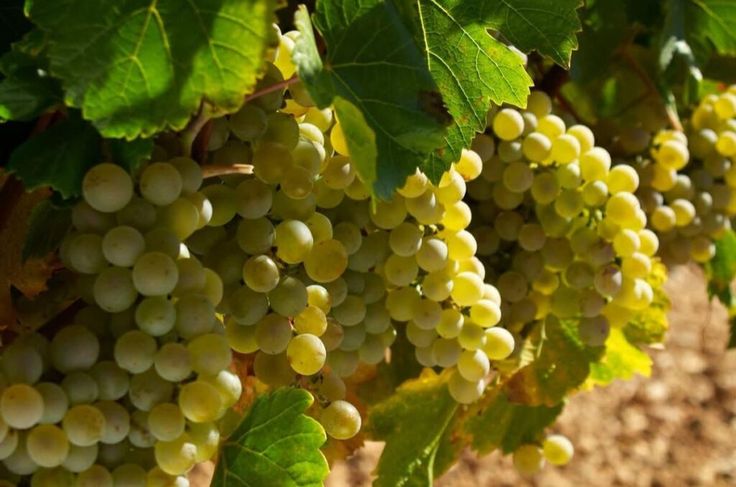
If you’ve spent much time in the white wine aisle, chances are your eye has gone straight for the familiar names — Sauvignon Blanc, Chardonnay, Pinot Grigio. But tucked between the bottles from Spain is a grape that deserves just as much of your attention: Verdejo. It’s crisp, it’s aromatic, it’s wonderfully food-friendly, and it happens to be one of the best values in white wine today.

Verdejo
A Grape with Deep Roots
Verdejo isn’t a new arrival on the scene. The grape is believed to have originated in North Africa and made its way to Spain over a thousand years ago, arriving in the Rueda region during the 11th century reign of King Alfonso VI. It has been cultivated there ever since, which makes it one of the oldest continuously grown white grapes in the country.
Rueda, in the Castilla y León region of northern Spain, is where Verdejo truly found its home — and today it’s the grape’s undisputed capital, home to the vast majority of the world’s Verdejo plantings. Some of the oldest vines here are close to a century old, growing in sandy soils that happen to be naturally resistant to phylloxera, the vine louse that devastated so much of Europe’s wine industry in the 19th century. Rueda became an official Denominación de Origen (DO) in 1980, and today more than 1,500 growers and over 60 wineries work the region.
Sun by Day, Chill by Night
Rueda’s high-plateau setting gives it a dramatic climate: hot, sun-soaked summer days followed by cold nights. That temperature swing is a gift to the grapes, letting them ripen fully during the day while holding onto their bright acidity overnight. Many producers harvest at night specifically to keep the grapes cool and prevent oxidation before they ever reach the winery — a small detail that makes a big difference in the glass.
What Does Verdejo Actually Taste Like?
Young, stainless-steel Verdejo — the most common style you’ll find — is all about freshness. Expect notes of lime, Meyer lemon, grapefruit, and citrus blossom, layered with grassy, herbal, almost fennel-like undertones. The acidity is lively and the finish often carries a pleasant, slightly bitter snap that makes the wine feel crisp and “crunchy” rather than soft.
There’s also a second, richer style worth seeking out: Verdejo that’s been fermented or aged with some oak or lees contact. These versions trade a bit of that razor-sharp citrus for a creamier texture and toasted almond notes, while still holding onto good acidity. Unusually for a white wine, well-made Verdejo can also age gracefully in the bottle for several years, gaining complexity rather than just fading.
What to Pair It With
Verdejo’s bright acidity and subtle bitterness make it a natural palate cleanser, which is part of why it’s such a versatile food wine. A good rule of thumb: if a squeeze of lime would improve a dish, Verdejo probably will too. Think fish tacos, shellfish, ceviche, fresh sheep’s milk cheeses, salads, and anything leaning on cilantro, ginger, or avocado. It also handles a bit of spice well, so it’s a smart pick alongside dishes that would overwhelm a more delicate white.
Why It’s Worth Seeking Out
Despite being Spain’s most widely consumed white wine, Verdejo still flies under the radar internationally compared to Sauvignon Blanc or Chardonnay. That’s good news for you — it means excellent bottles are still very reasonably priced. If you’re looking for a wine that’s refreshing enough for a hot afternoon but interesting enough to talk about at the table, Verdejo is a fantastic place to start.
Let’s Taste Together
Reading about wine is one thing — tasting it is where the real fun starts. While I don’t have Verdejo in my lineup, I have plenty of other wines that are well worth trying. If you’d like to explore these wines in person, I’d love to lead a wine tasting for you. We’ll pour a few different styles side by side, talk through what makes each one tick, and find the bottles that speak to you. Reach out and let’s get something on the calendar!
 Previous Post
 Next Post