
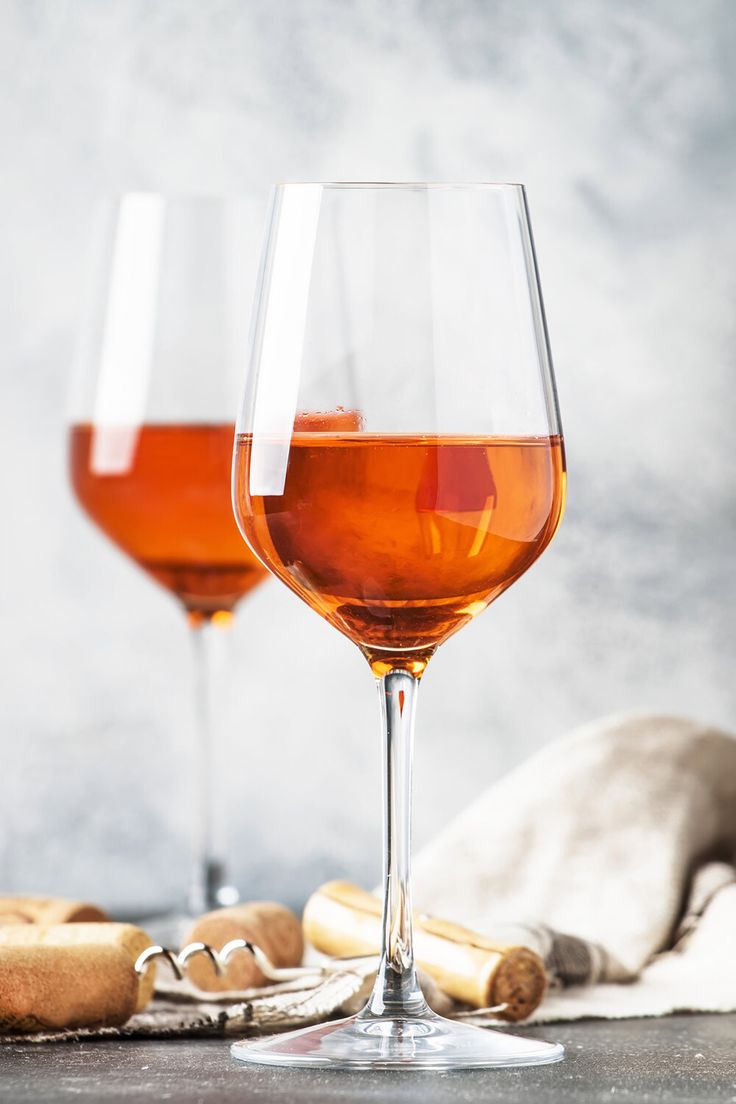
You’ve probably heard of Orange Muscat, but have you heard of orange wine? Today, we’re going to explore this little known phenomenon.

Getting to know orange wine
A 5,000-Year-Old History
According to WineBusiness Monthly, “Some historians date the production of orange wine and skin-contact white wines back to Georgia and the fertile crescent 5,000 years ago. The intensely flavored, amber-colored wine, as ancient as it may be, has never quite caught the attention or affection of the modern-day consumer.”
But lately, winemakers are trying their hand at “new-world” orange wines.
Rosé vs. Orange Wine
The two wines are similar, but the wine-making methods are quite different. Rosé is made from red grapes with minimal skin contact, resulting in a pink hue and fresh, fruity flavors. Orange wine, on the other hand, is made from white grapes fermented with extended skin contact, giving it a more amber or golden color, a richer texture, and potentially more complex, savory flavors.
Rosé is essentially a lightly colored red wine made from red grapes, while orange wine is a white wine made using red wine winemaking techniques, resulting in a unique flavor and color profile.
According to Wine Folly, “Orange wines often taste more like dry red wines because they have tannin… due to the skin contact, giving it a more structured, red wine-like feel.” Their flavor profile: Most “aren’t sweet and have bold, honeyed aromas like jackfruit (a fleshy tropical fruit), hazelnut, brazil nut, bruised apple, wood varnish, linseed oil, juniper, sourdough, and dried orange rind.”
Food Pairing
Wine Folly tells us that, because of their boldness, orange wines pair well with equally bold foods. Think curry dishes and Indian cuisine. And the wine’s sourness enables it to pair well with fermented flavors like kimchi in Korean dishes and nattō in Japanese food.
 Previous Post
 Next Post